
Patient information
Clenching, Grinding, and Jaw Pain Help Near You
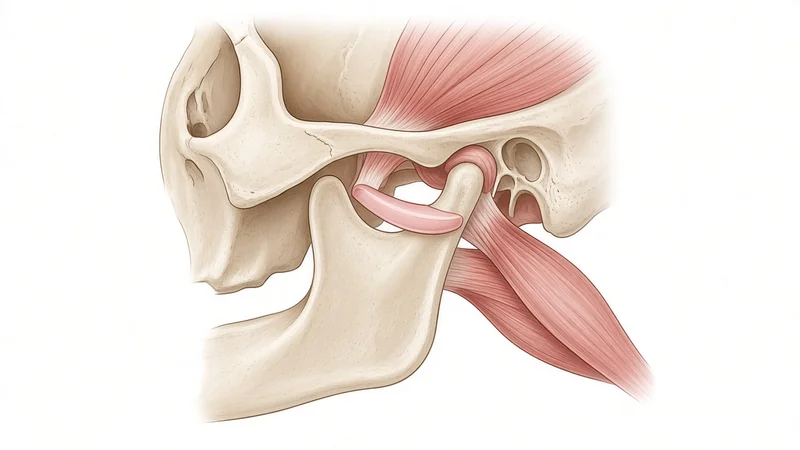
Temporomandibular Joint (TMJ) is the joint of the jaw. There are two TMJs, one on each side of the jaw, and they work in unison to open and close our mouths and allow us to chew and speak. Temporomandibular disorders (TMD) are a group of conditions that cause pain in the jaw joint and the muscles that move the jaw. Many cases are short-lived and improve on their own, but some become long-lasting, so it is worth having symptoms checked. TMD can cause jaw pain, jaw stiffness, limited movement or locking of the jaw, painful clicking or popping, headaches, and sometimes ringing in the ears (tinnitus). Clicking without pain is common and usually does not need treatment.
Teeth Grinding
Many patients grind or clench their teeth, a habit medically known as bruxism. While grinding from time to time might not cause harm, frequent grinding can create issues for your teeth and cause other oral health complications. Teeth grinding can stem from stress and anxiety, though it often develops during sleeping hours. Sleep apnea, a sleeping disorder, can also be responsible for teeth grinding habits. As grinding typically occurs when you sleep, it is unlikely you will be aware of this tendency unless a symptom of bruxism, such as a constant headache or sore jaw is encountered. Speak to our dentist at your next appointment if you believe you may be grinding your teeth because they can examine your mouth and jaw for signs of bruxism, including jaw tenderness and excess wear on your teeth. Continual teeth grinding can produce fracturing, loosening, deterioration, or loss of teeth for some patients. If left untreated, you may need a dental bridge, crown, root canal, implant, partial denture, or even complete dentures in certain instances. A great way to help prevent further complications from occurring is to ask our office, at your next dental appointment, for a customized mouth guard to protect your teeth from grinding as you sleep.
Clicking Or Locked Jaw
Your temporomandibular joint, located directly next to each of your ears is responsible for connecting your jaw to your skull and allowing your mouth to speak, chew, and yawn. When your jaw is clicking or locking, you might be experiencing a temporomandibular joint disorder (TMD). This occurs when your jaw joint is harmed or inflamed due to an injury, inflammatory disorder, or other issue. Ideally, the temporomandibular joint operates as a smooth hinge so your jaw can move in a natural, free motion. Inflammation or harm impairs the movement, forcing your jaw to click or lock, while also making it a challenge to open your mouth. Some cases of TMD can be helped by lifestyle choices, for example, no longer chewing gum. You can also assist your recovery by reducing stress, eating softer foods, using heat or cold, doing gentle jaw exercises and, if it is safe for you, taking an over-the-counter anti-inflammatory such as ibuprofen. A night guard can protect your teeth from grinding. In more severe cases of TMD, you might require treatment from a dental professional, especially if it was caused by an oral injury or inflammatory disease. Surgical treatments are rare and are only recommended if all other alternative treatments were ineffective.
Treatment
When you come in for your appointment, we will assess your teeth and mouth for any visible signs of wear. If there is an issue, we will use a few different methods to understand why the issue is happening and develop a customized treatment plan for you. Some of the methods we use to determine if you have a bite issue include a complete oral exam, panoramic x-rays, model of your mouth using our 3-D scanner, and high-definition photos.
Most TMD is treated conservatively: soft foods, heat or cold, over-the-counter pain relievers, habit changes, jaw exercises, and sometimes a night guard. We recommend avoiding treatments that permanently change your teeth or bite, such as crowns or orthodontics, unless other options have not worked. If you have jaw pain or locking, call us so we can examine you.
Ready to book your visit?
Call us or book online. We look forward to seeing you.